Written by the Klamer Family Dentistry team · Published 2026-09-08
Most Invisalign treatment takes 12 to 18 months, though minor spacing or crowding can finish in as little as 6 months and complex cases can run 24 months or longer. Your timeline depends on how much your teeth need to move and how consistently you wear the aligners.
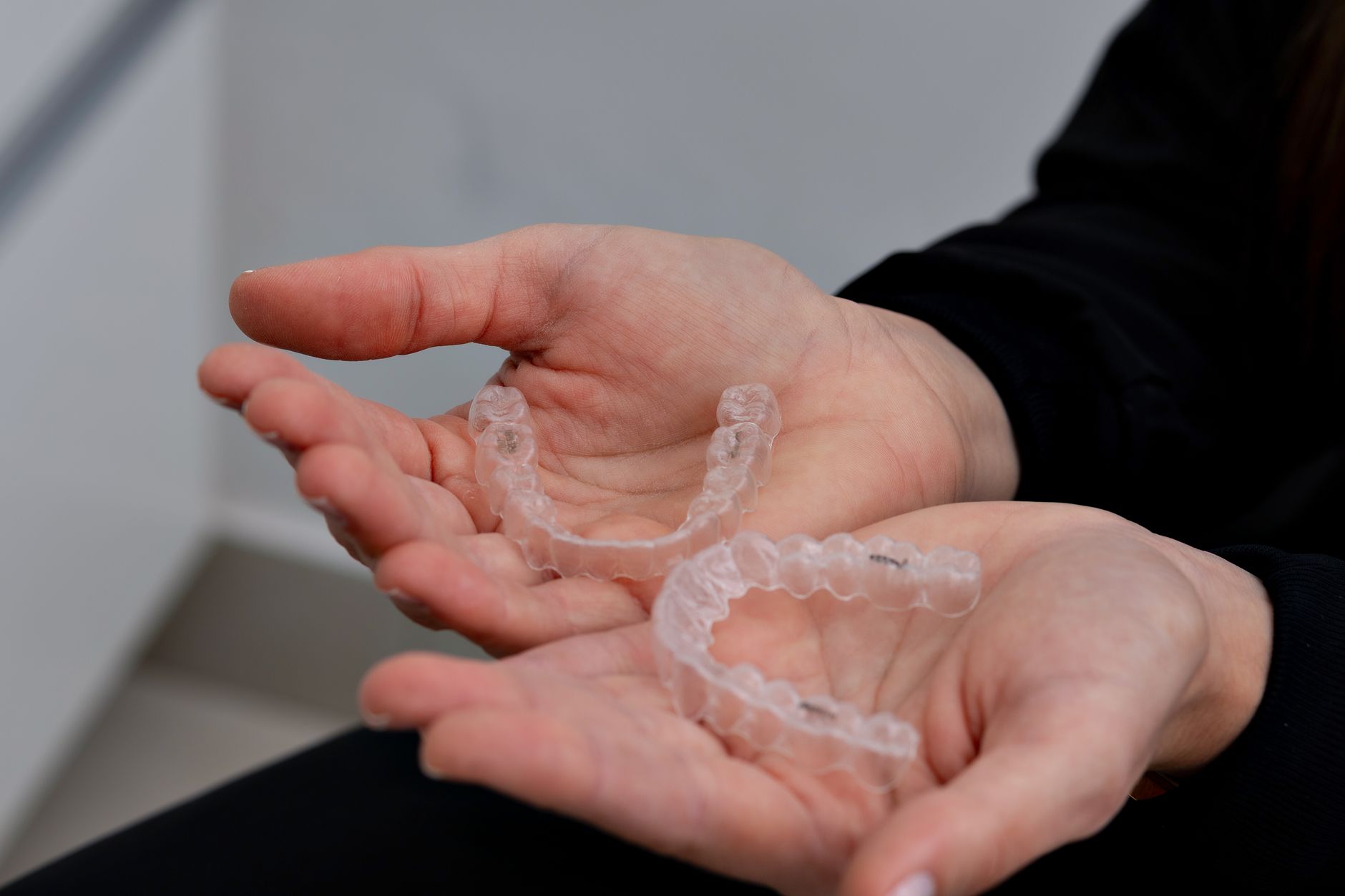
The single biggest variable in your timeline isn't the technology — it's you. Aligners only move teeth while they're in your mouth, so wear-time discipline often matters more than the difficulty of your case.
What's a Typical Invisalign Timeline?
Here's a general range for what most people can expect:
- Minor corrections: small gaps or slight crowding may take roughly 6 to 10 months.
- Moderate cases: most adults and teens land in the 12 to 18 month range.
- Complex cases: significant crowding, spacing, or bite problems can take 24 months or more.
You'll switch to a new set of aligners every one to two weeks, and each set nudges your teeth a little closer to the final position mapped out at the start. A dentist can give you a personalized estimate after examining your teeth and bite.
Why Wear Time Makes or Breaks Your Progress
Invisalign aligners are designed to be worn about 20 to 22 hours a day — essentially everything except eating, drinking anything but water, and brushing. That leaves roughly two hours for meals and cleaning.
Falling short adds up fast. If you routinely leave aligners out for meals that run long, forget to put them back in, or take weekends off, your teeth don't track as planned. When that happens, aligners stop fitting properly, and you may need extra sets or refinements to get back on course. Consistency is the closest thing there is to a shortcut.
What Else Affects How Fast You Finish?
- How much movement is needed: rotating a stubborn tooth or closing a large gap simply takes longer than minor alignment.
- Your bite: correcting an overbite, underbite, or crossbite adds steps compared to straightening alone.
- Attachments: small tooth-colored bumps bonded to teeth give aligners something to grip for certain movements, which can improve efficiency.
- Age and bone response: teeth move throughout life, but younger patients sometimes respond a bit faster.
- Keeping appointments: regular check-ins let your dentist catch tracking problems early instead of at the end.
Are Adult and Teen Timelines Different?
Not dramatically. Teen aligners often include wear indicators and extra sets for erupting teeth, and the same discipline rules apply to both groups. The real difference tends to be habits — anyone who wears aligners consistently and shows up for visits gives themselves the best shot at finishing on schedule.
What Happens After the Last Aligner?
Straightening is only half the job. Teeth naturally drift back toward their old positions, so you'll wear a retainer afterward — often full-time at first, then nightly long-term. Skipping retainers is the most common reason people see their results slip.
If you're weighing Invisalign and want a realistic timeline for your specific teeth, the Invisalign service at Klamer Family Dentistry in Kearney can evaluate your bite and map out what treatment would involve. A consultation is the best way to turn a general range into a real plan.
Related questions
Can I speed up my Invisalign treatment?
The most reliable way to stay on schedule is wearing your aligners the full 20 to 22 hours a day and switching sets exactly when directed. Some practices offer devices or techniques intended to support faster tooth movement, but results vary and none replace consistent wear. Ask your dentist whether any options make sense for your case rather than trying anything on your own.
What happens if my aligners don't fit anymore?
Aligners that feel loose or don't seat fully usually mean your teeth aren't tracking with the plan, often from inconsistent wear. Don't skip ahead to the next set. Contact your dentist, who may have you go back a step, reseat with chewies, or take new scans for refinement aligners. Catching it early keeps small setbacks from adding months.
Will Invisalign work for a complicated bite, or do I need braces?
Invisalign can handle many bite issues, including some overbites, underbites, and crossbites, especially with attachments and elastics. Very severe skeletal or rotational problems may still be better suited to braces or a combined approach. Only an exam can tell you which option fits your situation, so it's worth discussing both before deciding.